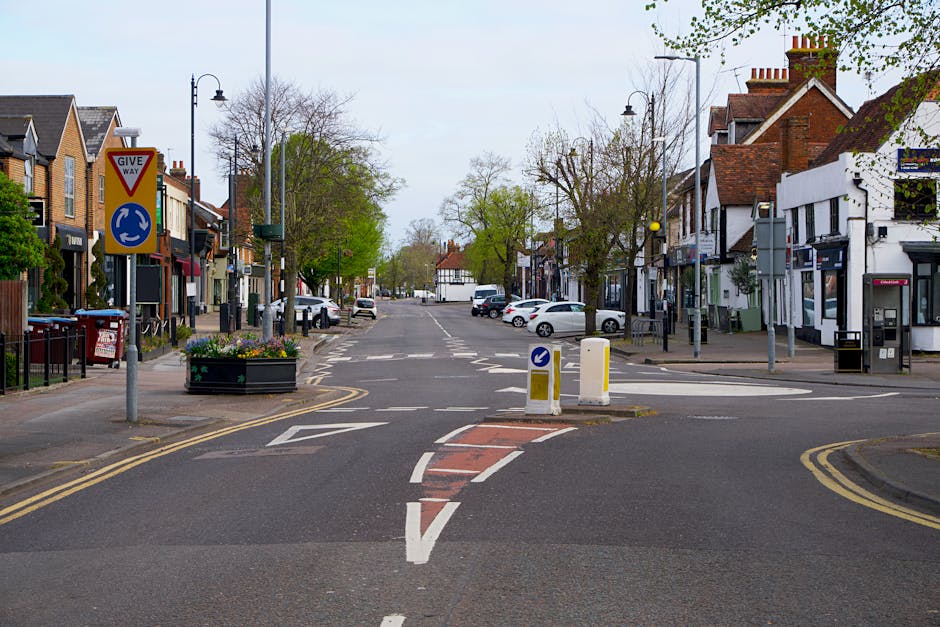
Sutton Council Permits for Removals on Cheam High Street
Posted on 21/06/2026

Sutton Council Permits for Removals on Cheam High Street: What You Need to Know Before Moving Day
If you are planning a move on or around Cheam High Street, the permit question can make the whole day feel more complicated than it should. Sutton Council permits for removals on Cheam High Street are not just a box to tick; they can decide whether your van stops safely, whether the team works efficiently, and whether you avoid those awkward last-minute scrambles with parking or access. In a busy stretch like this, a few minutes of planning can save a lot of stress. Truth be told, that is usually where the difference lies between a smooth move and a messy one.
This guide explains what the permit issue means in plain English, how it usually works in practice, when you may need one, and how to organise your removal day so the road, the neighbours, and your movers are all working with you instead of against you.
- Why permits matter on Cheam High Street
- How Sutton Council permits usually work
- Key benefits and practical advantages
- Who needs this and when it makes sense
- Step-by-step guidance for planning your move
- Expert tips for a smoother removal day
- Common mistakes to avoid
- Tools, resources and recommendations
- Law, compliance and best practice
- Options and comparison table
- Case study or real-world example
- Practical checklist
- Frequently asked questions
Why Sutton Council Permits for Removals on Cheam High Street Matters
Cheam High Street can be a straightforward place to live, but removals day is rarely a normal day. There may be passing traffic, limited stopping space, school-run pressure at certain times, pedestrians, loading restrictions, or just the classic British problem of "I thought the van could fit there." A permit matters because a removal vehicle often needs predictable access, and access is exactly what busy streets tend to resist.
When a vehicle is forced to park far from the property, the move becomes slower, heavier, and riskier. Boxes get carried longer distances. Sofas need extra handling. The team spends more time negotiating space than actually moving your belongings. If the street is tight or regulated, the permit is there to reduce that friction. It can also help protect you from avoidable penalties, complaints, or delays. Nobody wants to be on a stairwell at 8:30 in the morning realising the van is effectively parked in the wrong place. Not ideal.
There is also a neighbour-relations side to this. A well-managed removal looks professional. It keeps access clearer, minimises disruption, and shows you have taken the local setting seriously. That matters on a street where daily life keeps moving around you.
How Sutton Council Permits for Removals on Cheam High Street Works
While the exact arrangement can vary depending on the property, the vehicle, and the timing of the move, the practical idea is simple: if your removal vehicle needs to stop in a controlled or restricted area, you may need permission or a permit arrangement so the loading activity is allowed and properly managed.
In many cases, the first questions are not glamorous, but they are the right ones:
- Can the van stop close enough to the property to load safely?
- Is there a loading bay, yellow line restriction, or time-controlled parking nearby?
- Will the road be busy enough that access needs to be planned in advance?
- Does the building entrance require temporary space for a clear loading route?
For some moves, the issue is not a formal permit in the dramatic sense people imagine. Sometimes it is simply a matter of knowing what the local parking and loading rules allow, then building your move around that reality. For other properties, especially flats or buildings with narrow access, the removal team may need extra planning to keep the vehicle close enough for efficient loading.
If you are arranging a local move, it is sensible to plan the parking side at the same time as the packing side. That is where a lot of people get caught out. They do all the boxes, the wrapping, the dismantling, the cleaning... and then discover the vehicle cannot just sit outside for as long as they hoped. A small oversight, but it can snowball.
For broader move preparation, it helps to read practical guides like how to keep a house move stress-free and how to pack efficiently before moving day. They complement the parking side nicely.
Key Benefits and Practical Advantages
Getting the permit side right is not just about avoiding problems. It improves the whole move in ways you notice immediately.
- Shorter carrying distances: If the van can stop close by, heavy items spend less time in transit from doorway to vehicle.
- Less risk of damage: Fewer long carries usually means fewer bumps, scrapes, and strained hands.
- Better time control: A move that begins with clear access is easier to schedule and finish on time.
- Lower stress: You are not trying to solve parking while the property is half emptied and the kettle is packed somewhere unknown.
- More professional flow: The team can work in a steady rhythm instead of repeatedly stopping to adjust access.
There is also a subtle but important emotional benefit: confidence. Once you know the access plan is sorted, you stop second-guessing everything else. You can focus on the real moving jobs, such as protecting fragile items, managing furniture, and keeping the essentials box within reach. That sounds simple, but it changes the day.
For furniture-heavy homes, the access issue becomes even more obvious. If you are moving bulky items, it may be worth reviewing furniture removals in Cheam and the practical advice in how to move a bed and mattress with less hassle.
Who This Is For and When It Makes Sense
This topic matters to far more people than first-time homeowners. In fact, it often matters most to people who think they are only doing a "small move". Small moves can be the fussiest ones. Cheam High Street removals commonly involve one of these situations:
- Households moving in or out of a terrace, flat, or maisonette with limited frontage
- Residents who need a van close to the entrance because of heavy furniture
- Students or renters relocating quickly and needing a tight turnaround
- Office or mixed-use moves where stopping space is tight and timing is critical
- Anyone moving during busy local traffic periods and wanting to avoid unnecessary delays
If your property has awkward stairs, narrow hallways, or limited loading space, this becomes even more relevant. You may not need a highly complex arrangement, but you do need a plan. A permit, permission, or parking strategy is often the quiet detail that makes the rest of the move feasible.
That is especially true for flat moves and student moves. If that sounds familiar, useful supporting reads include flat removals in Cheam and student removals in Cheam, both of which sit naturally alongside access planning. For a slightly more time-pressured situation, same-day removals in Cheam can be worth considering too.
Step-by-Step Guidance
If you want a practical way to approach Sutton Council permits for removals on Cheam High Street, use this sequence. It keeps the job grounded and avoids last-minute improvisation. And let's face it, removal day already contains enough improvisation.
- Check the property access first.
Look at the frontage, pavement width, nearby restrictions, and whether there is a place for the van to stop without blocking traffic or entrances. - Decide what kind of move you are doing.
A one-bedroom flat move is a different shape from a full family house move or an office relocation. The vehicle size, loading time, and stopping needs will differ. - Map out the loading route.
Work out the shortest safe path from the property to the van. Think about stairs, corners, door widths, and whether anything needs dismantling. - Build in timing flexibility.
Traffic, weather, and building access can all shift the schedule. Morning light and quieter roads can help, but only if your time slot actually suits the street. - Confirm the parking or permit arrangement.
Do this before boxes are sealed, not after. A permit issue discovered late is annoying; discovered on the day, it is a headache. - Prepare the property for loading.
Keep hallways clear, protect floors if needed, and group items by room so the team can work steadily. - Keep essentials accessible.
Documents, keys, water, chargers, snacks, and medicines should not disappear into the van pile. - Review the plan before the van arrives.
A two-minute check is often enough to prevent a bigger issue later. Small thing, big result.
If you want to make the packing and sorting part easier before the van turns up, these guides are genuinely useful: decluttering before a big move, cleaning the property before moving, and packing and boxes in Cheam.
Expert Tips for Better Results
In our experience, the best removals on busy local streets do not necessarily rely on more muscle. They rely on better sequencing. That means the team knows where the van will stop, which items come out first, and how the loading route is protected.
Here are some practical tips that really help:
- Use the smallest practical vehicle for the load. A huge van is not always better if the street access is tight.
- Keep one person focused on access. Someone should be watching the door, the van position, and the route, not just carrying items.
- Protect the floor near the threshold. Wet boots, box edges, and trolley wheels can leave marks fast.
- Break furniture down early. If something needs dismantling, do it before the pressure is on.
- Use proper lifting technique. Not heroic lifting. Proper lifting. There is a difference.
For heavier objects, the safest approach is usually the least dramatic one: slow, balanced, and planned. If you are unsure about carrying technique, understanding the basics of kinetic lifting and solo lifting techniques for heavy objects are sensible places to brush up. And for specialist items, especially instruments, look at piano removals in Cheam rather than trying to improvise with enthusiasm and hope. Hope is not a lifting plan.
One more thing: if you are moving a bed, freezer, or awkward bulky furniture, plan the removal path before you touch the item. That tiny bit of forethought saves a lot of grunting halfway down the stairs.

Common Mistakes to Avoid
Most removal problems on Cheam High Street are not dramatic. They are ordinary, predictable, and avoidable. Which is why they are so frustrating when they happen.
- Leaving parking planning until the morning of the move. This is probably the most common mistake. It makes every other task harder.
- Assuming the van can always stop right outside. Streets change through the day, and the rules do not bend because you are in a hurry.
- Booking a vehicle without considering access. Larger is not always safer or faster.
- Underestimating how long loading takes. A quick move on paper can take longer once stairs, narrow doors, and fragile items enter the picture.
- Forgetting neighbours or building users. A bit of communication goes a long way.
- Not checking whether a special item needs extra handling. Mirrors, pianos, appliances, and beds can all require different planning.
A small human mistake that crops up often? People pack too efficiently. Sounds odd, but if every box is sealed tightly with no room for essentials, nobody can find the kettle, the screwdriver, or the plug adapter when they need it most. Very inconvenient, that.
Tools, Resources and Recommendations
You do not need fancy equipment to make a move work well, but a few practical tools make a surprising difference.
| Tool or resource | Why it helps | Best used for |
|---|---|---|
| Strong tape and labels | Keeps boxes secure and clearly sorted | Room-by-room packing |
| Furniture blankets | Reduces scuffs and edge damage | Large furniture and appliances |
| Sturdy gloves | Improves grip and protects hands | Heavy or awkward items |
| Floor protection | Helps keep hallways and thresholds clean | Homes with delicate flooring |
| Essentials box | Stops important bits getting lost | First-night survival kit |
It also helps to have a realistic view of what should be moved, stored, recycled, or left until later. If you have bulky items that no longer need to come with you, a comparison with bulky waste pickup versus removals in Sutton may help you decide what is actually worth loading. For extra help with long-term planning, storage in Cheam can be useful when dates do not line up neatly.
And if your move is happening on a tight timeline, the practical notes in same-day removals in Cheam can help you judge what is realistic.
Law, Compliance, Standards, or Best Practice
Because this topic touches parking, loading, and road access, the safest approach is to treat it as a compliance question as much as a logistics question. You do not need to be a traffic specialist, but you do need to respect local restrictions and any conditions that apply to the street or property.
As a general best practice in the UK, removal teams and householders should avoid assuming that stopping on a road is automatically allowed just because the vehicle is only there for a short time. Loading, waiting, and parking restrictions can be different things. The fine detail matters. If you are unsure, it is better to confirm the arrangement early than to gamble on a quick stop that turns into a problem.
Best practice also means thinking about safety. That includes clear walkways, sensible lifting, proper protection for floors and walls, and not blocking entrances or emergency access. Good movers tend to be cautious by default. They do not rush the access side just because the van is waiting. In fact, good removals often look slightly slower at the start because they are avoiding chaos later. Worth it.
If you are choosing a removal team, you may also want to consider practical standards around safety, insurance, and clear communication. These do not sound exciting, but they matter. You can review helpful background pages such as insurance and safety, health and safety policy, and terms and conditions to understand how a professional operator frames these responsibilities.
Options, Methods, or Comparison Table
There is more than one way to handle removals access on Cheam High Street. The right choice depends on timing, property layout, and how much flexibility you have on the day.
| Option | Best for | Pros | Trade-offs |
|---|---|---|---|
| Plan around existing loading space | Simple moves with straightforward access | No extra arrangements, usually quicker | Can be limited by traffic or timing |
| Arrange permit or permission in advance | Busy streets or controlled parking areas | More certainty, closer van access | Requires planning and lead time |
| Use a smaller vehicle and shuttle loads | Tight roads or awkward entrances | More flexible on restricted streets | Can take longer overall |
| Use professional removal support | Bulky, fragile, or time-sensitive moves | Better coordination and handling | Needs accurate booking details |
If your move is mainly about local flexibility, a service like man and van in Cheam or man with a van in Cheam may suit smaller jobs. For larger households, house removals in Cheam or removals in Cheam may be a better fit. Different jobs, different rhythms.
Case Study or Real-World Example
Picture a typical Saturday move from a second-floor flat near Cheam High Street. The couple has packed well, the furniture is manageable, and they think the hardest part will be the stairs. Then they look outside and realise the street is busier than expected, with limited stopping room and cars arriving and leaving every few minutes.
Instead of trying to force a van into the first open space, they pause and rework the plan. The removal team arrives with a clear access strategy, the heaviest items are loaded first, and the stop point is chosen so the carry is short but safe. There is less backtracking, less door-holding, and fewer moments where someone has to stand around asking, "Where's the other end of this?"
The move still takes time, of course. Moves always do. But the day stays calm because the access issue was treated as part of the job, not a side issue. That is the real lesson here. On a street like this, permits, parking, and loading strategy are not admin. They are part of the move itself.
If you are dealing with a smaller, tighter local move, the experience in Cheam High Street to Stoneleigh short moves gives a good sense of how local timing and access shape the day. For other apartment-style layouts, SM3 flats on Cheam Park Road is also a helpful read.
Practical Checklist
Use this checklist the day before and on the morning of the move. It is simple, but it keeps things tidy.
- Confirm the move time and access plan
- Check whether stopping or loading space is available near the property
- Make sure any permit or parking arrangement has been addressed
- Label boxes by room and priority
- Separate fragile items from general boxes
- Keep keys, documents, chargers, and medicines close by
- Clear hallways, stair edges, and entrances
- Protect floors if needed
- Disassemble bulky furniture in advance where practical
- Check the weather and plan for wet surfaces if necessary
- Let neighbours know if access may briefly affect them
- Do a final walk-through before the van leaves
One small but very real suggestion: keep a marker pen in your pocket. It always disappears exactly when you need to relabel a mystery box. Every time.
Get a free quote today and see how much you can save.
Conclusion
Sutton Council permits for removals on Cheam High Street are really about making the move work cleanly in a real, lived-in street environment. Once you understand the access side, everything becomes easier: loading is faster, risk is lower, and the day feels more controlled. You do not need to overcomplicate it, but you do need to respect the street, the timings, and the practical realities of parking close enough to the property.
If you are planning a move here, treat the permit question as one of the first jobs, not the last. That simple shift in timing can save you stress, effort, and a fair bit of unnecessary cursing under your breath. And that, frankly, is worth doing properly.
Move smart, keep it calm, and give yourself the best chance of a steady start in your new place.